Maintaining your lithium-ion batteries
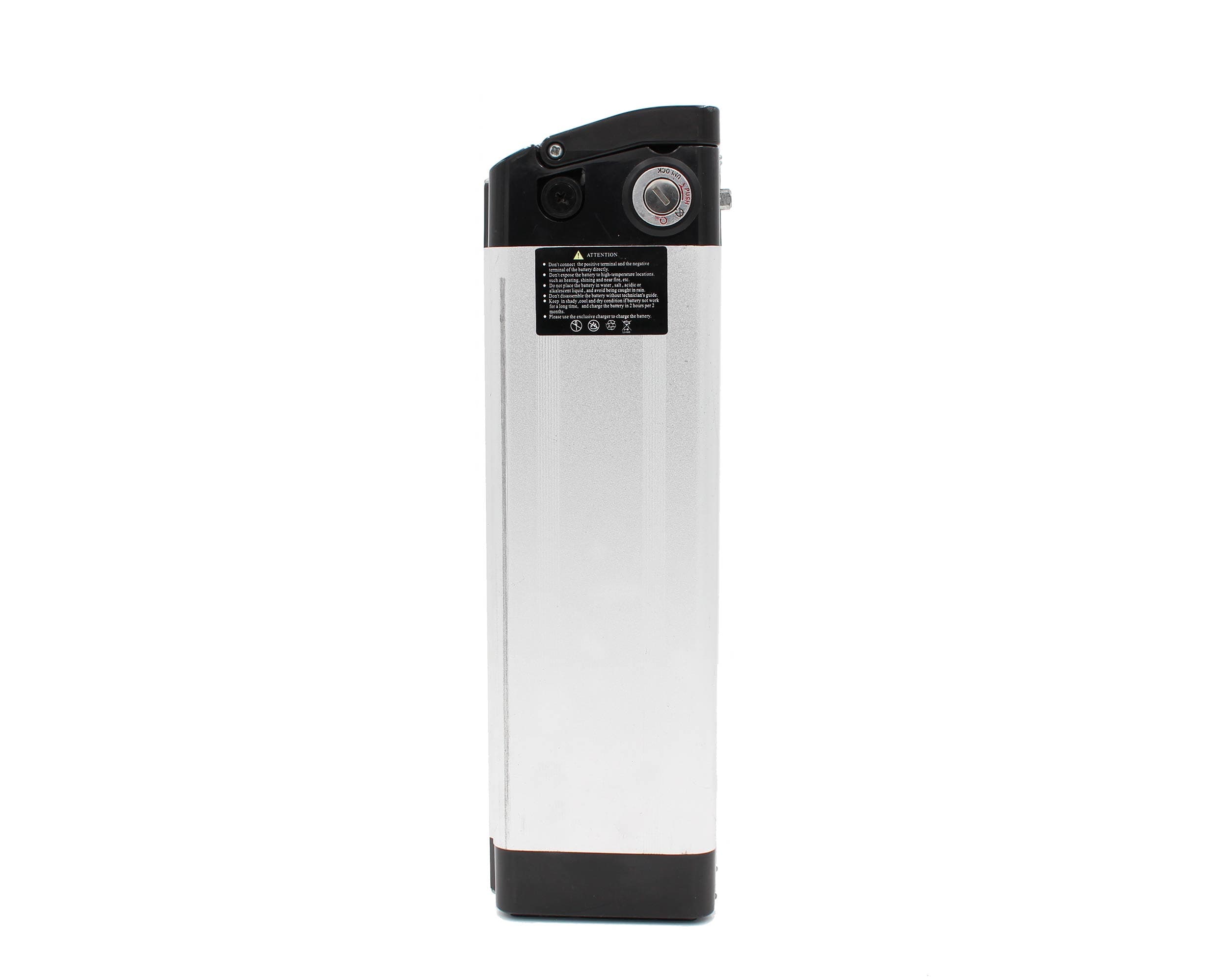
From smartphones to bicycles and electric vehicles, the vast majority of electronic devices are equipped with lithium-ion batteries. This technology provides them with power and autonomy. Indeed, they are among the best technologies available on the market. Despite their undeniable performance, they require special attention to last over time. Depending on use, their lifespan can be significantly reduced. How can we maximize their performance and extend their longevity? What steps should be followed to avoid premature wear?
What are the specificities of lithium-ion batteries?
If lithium-ion batteries are so widely used and have become the reference technology, it is for good reasons. They offer many advantages that are hard to match:
- High energy density: They can store a lot of energy (3 to 4 times more than other technologies) while remaining compact.
- Light weight: Their lightness makes them ideal for portable devices.
- Fast charging: They can reach 80% of their capacity in one hour and can be recharged at any time.
- No memory effect:
Recharging a lithium-ion battery partially does not compromise its ability to store energy, which makes it easier to use on a daily basis. You don’t have to wait for the battery to completely discharge before recharging it! On the contrary, it is recommended to recharge it before it reaches 10% to avoid the risks of deep discharge, although lithium-ion batteries handle it much better than NiCd and NiMH batteries.
Lithium-ion batteries require very little maintenance, but a few precautions should be taken, especially regarding storage. These actions help extend the lifespan of the batteries.
A healthy battery is a battery that works!
This may sound surprising, but a lithium battery needs to be used regularly. Simply put, the more your battery stays inactive, the greater the risk of wear! The lifespan of a battery is expressed in charge/discharge cycles. For lithium-ion batteries, this is between 500 and 1000 cycles.
Charge cycle
A cycle consists of a full discharge followed by a full recharge. If you recharge a battery that was initially at 50%, it counts as a half-cycle.
Recharging the battery
When it comes to recharging batteries, there is one point you should never overlook: using a compatible charger. An inappropriate charger can not only harm the battery’s performance but also cause overheating, increasing the risks of damage or accidents. The charger used must be specifically designed for lithium-ion technology and match the voltage of the battery.
Properly storing a lithium-ion battery
Unlike smartphones or laptops, many devices equipped with lithium-ion batteries, such as power tools, drones, or electric bicycles, are not necessarily used daily. This is why special attention should be given to storing these batteries to avoid premature degradation. Poor management during periods of inactivity can accelerate wear and significantly shorten their lifespan.
If you don’t use your lithium-ion battery for more than a month, make sure not to leave it installed in the device, especially if the device is exposed to significant temperature fluctuations. Store it in a dry, temperate place. Lithium-ion batteries do not tolerate extreme temperatures, whether hot or cold.
During storage, another precaution is to maintain a charge level between 30% and 60%. This range is ideal for preserving the cells and avoiding deep discharge. If you plan to leave your battery unused for several consecutive months, we recommend charging it once a month. This will help keep the ions in motion and prevent premature aging of your battery.
At Batteries Prod, we design and manufacture lithium-ion batteries tailored to your projects. All batteries are manufactured in our factory in France with high-quality components.