Use
Battery role
Main power, backup source or another scenario to be defined.
Batteries Prod designs and manufactures custom batteries in Monteux, from specification to series production. Role, runtime, integration, BMS and validation shape each architecture.

Six sets of information are enough to outline an initial architecture. Partial data already helps identify what needs to be completed.
Use
Main power, backup source or another scenario to be defined.
Runtime
Target duration, idle periods, charging frequency and available charging periods.
Electrical
Consumption, continuous and peak current, power and charging characteristics.
Integration
Available space, mounting, target weight, cable exits, connectors and operating conditions.
System
Protection, signals, communication, status and interaction with the equipment and charger.
Project
Target market, tests, documents, prototypes, annual volumes and schedule.
Use and integration vary by equipment. The battery is defined for the actual system, never for a generic category.
Movement or adjustment cycles, charging, integration and battery role.
Power, interfaces and status information considered across the complete system.
Available space, connectors, charging, movement and operating environment.
Architecture choices depend on when the battery operates and which functions it powers.
Use, electrical data, integration, interfaces, requirements and volumes.
The battery powers the equipment during normal operation. Sizing depends on the operating profile and charging cycle.
The battery operates under a backup scenario defined with the manufacturer. The scenario sets when it starts and which functions it powers.
Runtime, behaviour and acceptance criteria are defined and verified for the intended scenario.
Cells, mechanics, connectors, electronics and the BMS are considered with the equipment. Each choice affects the others.
Selected for the electrical profile, environment and project objectives.
Enclosure, mounting and access defined for the space available in the equipment.
Power, charging, signals and cable exits matched to the intended interfaces.
Measurement, protection and control functions developed for the project.
Battery management, status information and communication defined for the equipment.
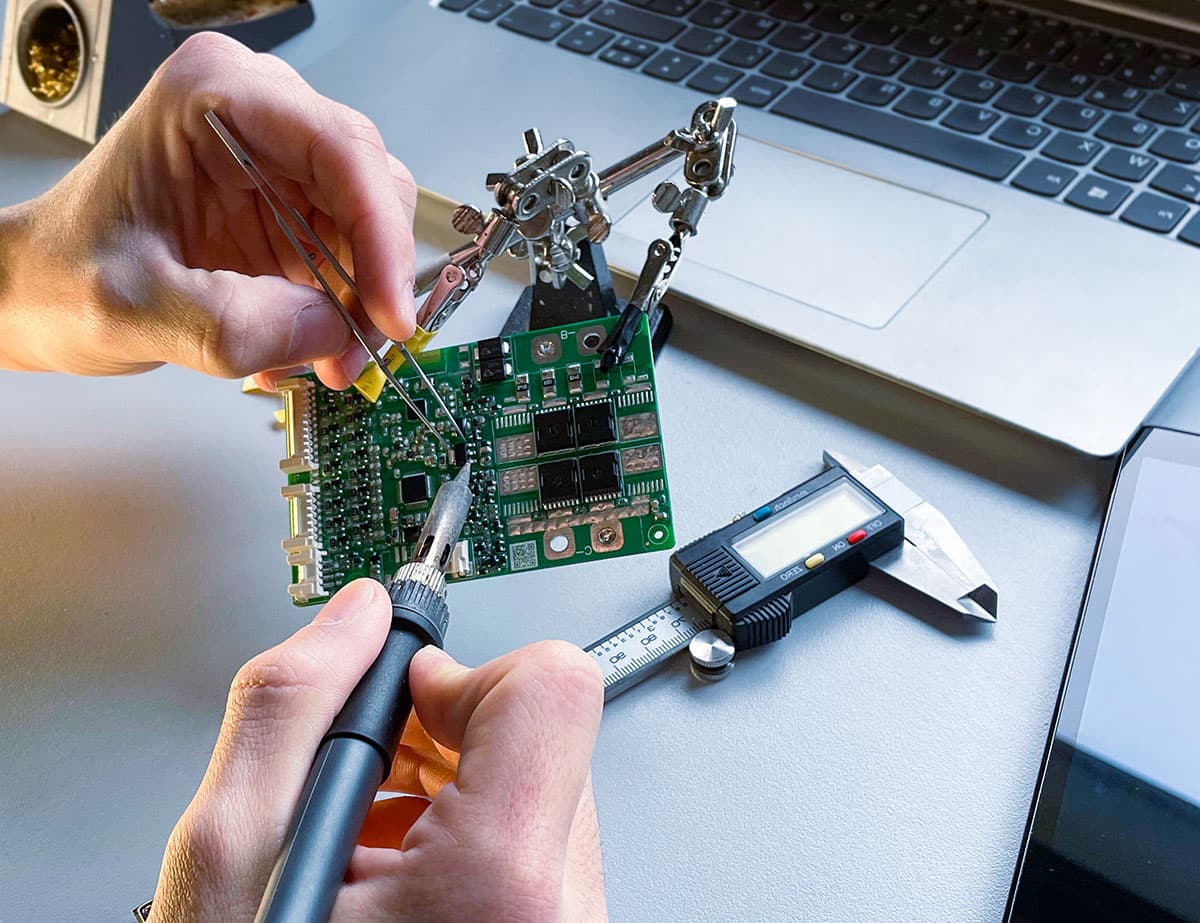
The programme depends on the equipment, its use, the target market and the final product's validation route.
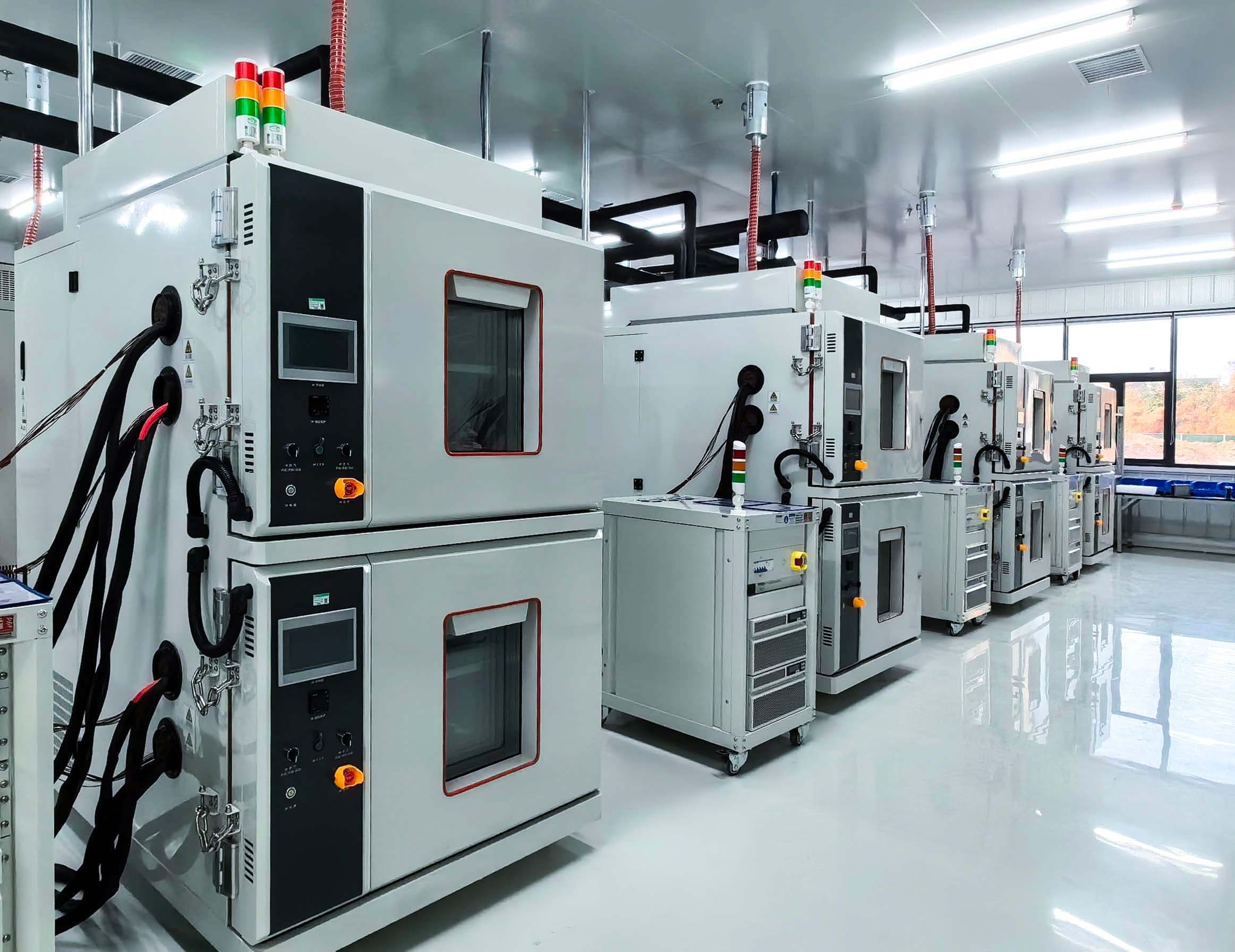
Conditions and acceptance criteria defined from the project's use and risks.
Design data, traceability, inspections, reports and requested supporting evidence.
Applicable texts identified for the final product, its destination and market.
No validation route applies by default. Internal testing does not by itself constitute certification.
Each step checks the battery against the specification before repeatable production is prepared in Monteux.
Check integration and operation with the equipment.
Apply the defined programme and document the results.
Prepare the production file, assembly operations and inspection equipment.
Start manufacturing after the architecture and process are approved.

Series production uses documented operations and controls defined during industrialisation.
Include the battery role, use, runtime, electrical data, integration, interfaces, market, volumes and schedule. Partial data is enough.
Even with incomplete data, we can qualify the need and agree the next step: feasibility review, study or prototype.