Use
Range and charging
Consumption profile, route, payload and charging windows define the usable energy.
Batteries Prod designs and manufactures custom lithium-ion packs in Monteux for e-bikes, kick scooters, scooters and light electric vehicles, from requirements to series production.

Use, integration and volume are enough to outline an initial architecture and identify what the prototype must validate.
Use
Consumption profile, route, payload and charging windows define the usable energy.
Electrical
Voltage, continuous power and current peaks follow the vehicle architecture.
Cells
The cell is selected for the application, target performance and duty cycle.
System
The electronics protect, balance and connect the pack with the vehicle.
Integration
Envelope, mounting, ingress protection and connectors fit the available space.
Series
Prototype, annual volumes and schedule guide production choices from the study stage.
Application, target range, power, available space and annual volume are enough to begin. We define the rest with you.
The format changes, but the method remains the same: start from real use, interfaces and mechanical integration.
Range, frame or rack location and assistance level shape the battery pack.
Compact packaging, current peaks and charging windows guide battery sizing.
Traction, power, thermal behaviour and communication are defined with the vehicle interfaces.
For lead-acid replacement or new integration, the study checks voltage, space, range and charger compatibility.
Usable capacity, current, temperature, charging and mechanics are defined as one system integrated with the vehicle.
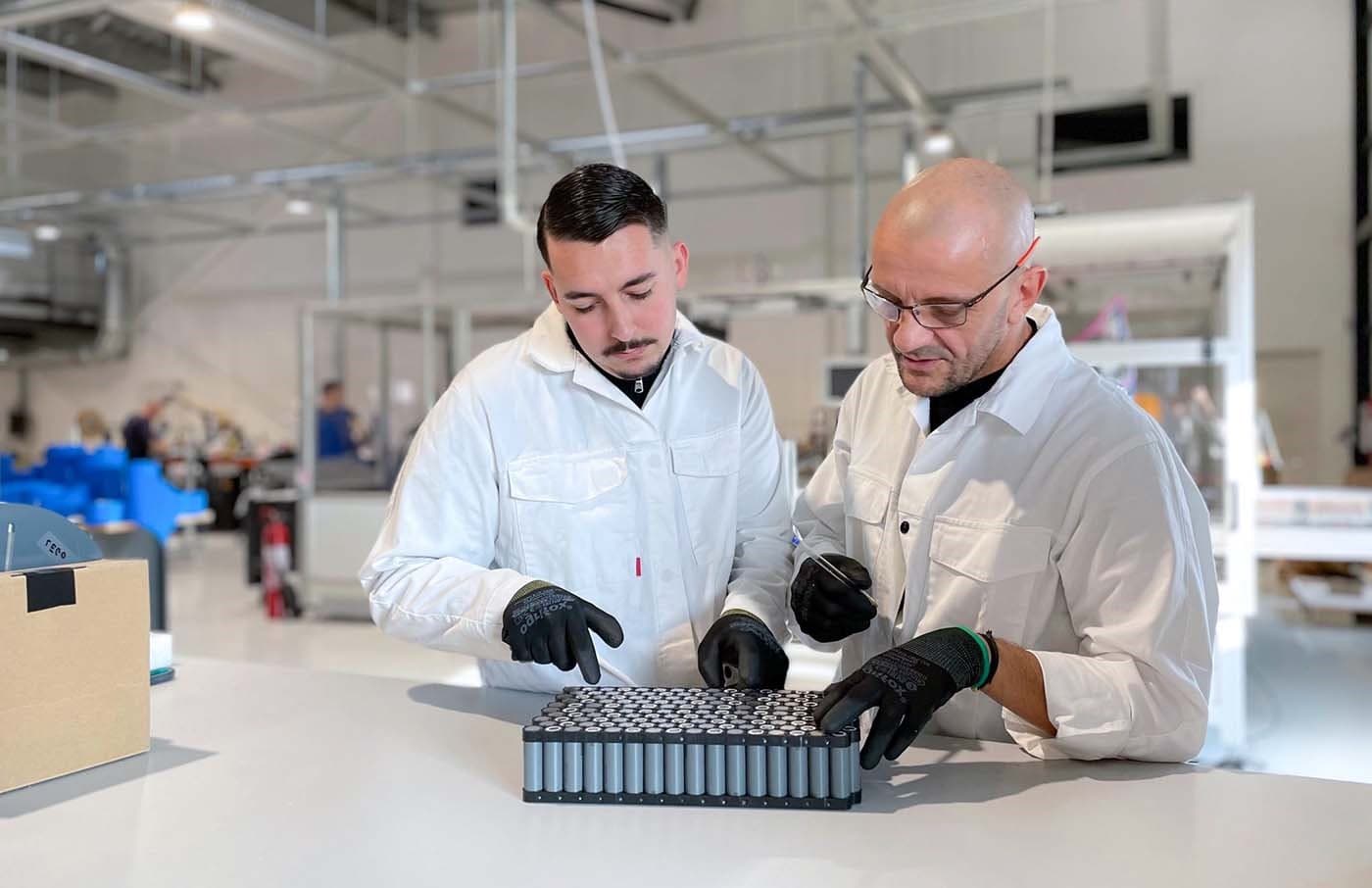
Dimensions, mounting and connectors start with the space that is actually available.
Cells and capacity are sized around the consumption profile.
Assembly and wiring handle the defined continuous power and current peaks.
Temperature, humidity, vibration and exposure guide pack protection.
Our electronics protect the pack, monitor its status and exchange useful data with the equipment.
Overcharge, deep-discharge and short-circuit thresholds matched to the pack.
Cell monitoring and balancing maintain coherent operation.
Temperature measurement and response when the defined thresholds are reached.
Data and interfaces adapted to the vehicle, charger and diagnostics.
Each stage produces a decision or validation before the next begins.
Range, power, available space, environment, schedule and annual volumes are defined.
Cells, BMS, mechanics, connectors and communication are defined with the vehicle.
The prototype verifies performance, safety and integration before industrialization.
Production records, traceability and controls are prepared before recurring series.
Tests depend on the vehicle, its use and the target market. Our compliance team identifies the applicable standards and prepares the battery documentation.
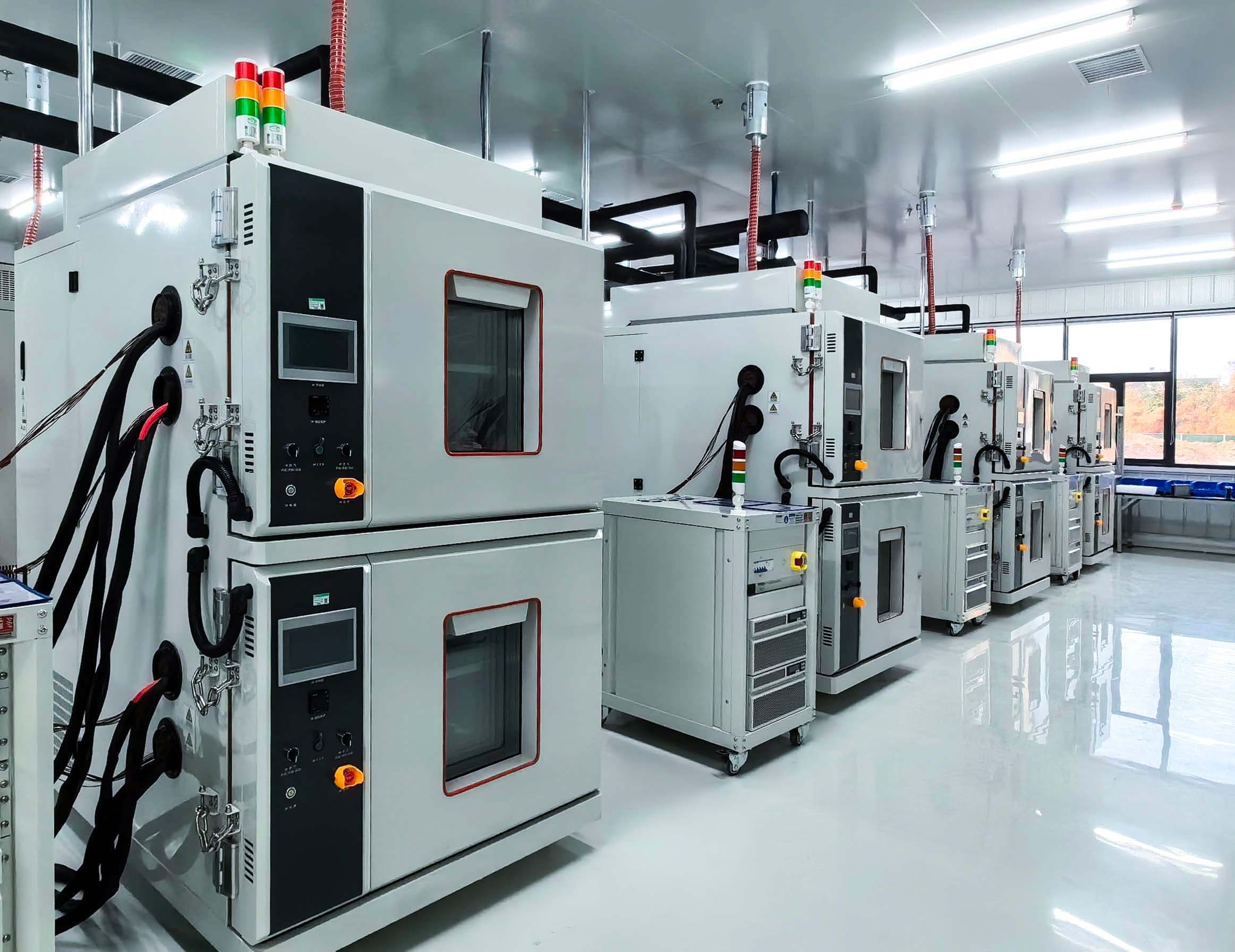

After prototype validation, the production file and associated controls prepare recurring series at our factory in Monteux.
We start with measured or estimated consumption, then account for weight, route, temperature and assistance level. Capacity in watt-hours (Wh) therefore answers the duty cycle, not a theoretical range figure.
Share the application, target range, power, available space and annual volume. An expert will assess feasibility with you and define the next step: study, prototype or quotation.
Monday to Friday, 9 a.m. to 12 p.m. and 2 p.m. to 6 p.m.