Use
Machine function and duty cycle
Machine function, active and standby phases, daily cycles, and available downtime.
Batteries Prod designs and manufactures custom lithium batteries in France for machines, automation systems, robots, and on-board equipment. Our integrated engineering team starts with the use case, interfaces, and operating environment.
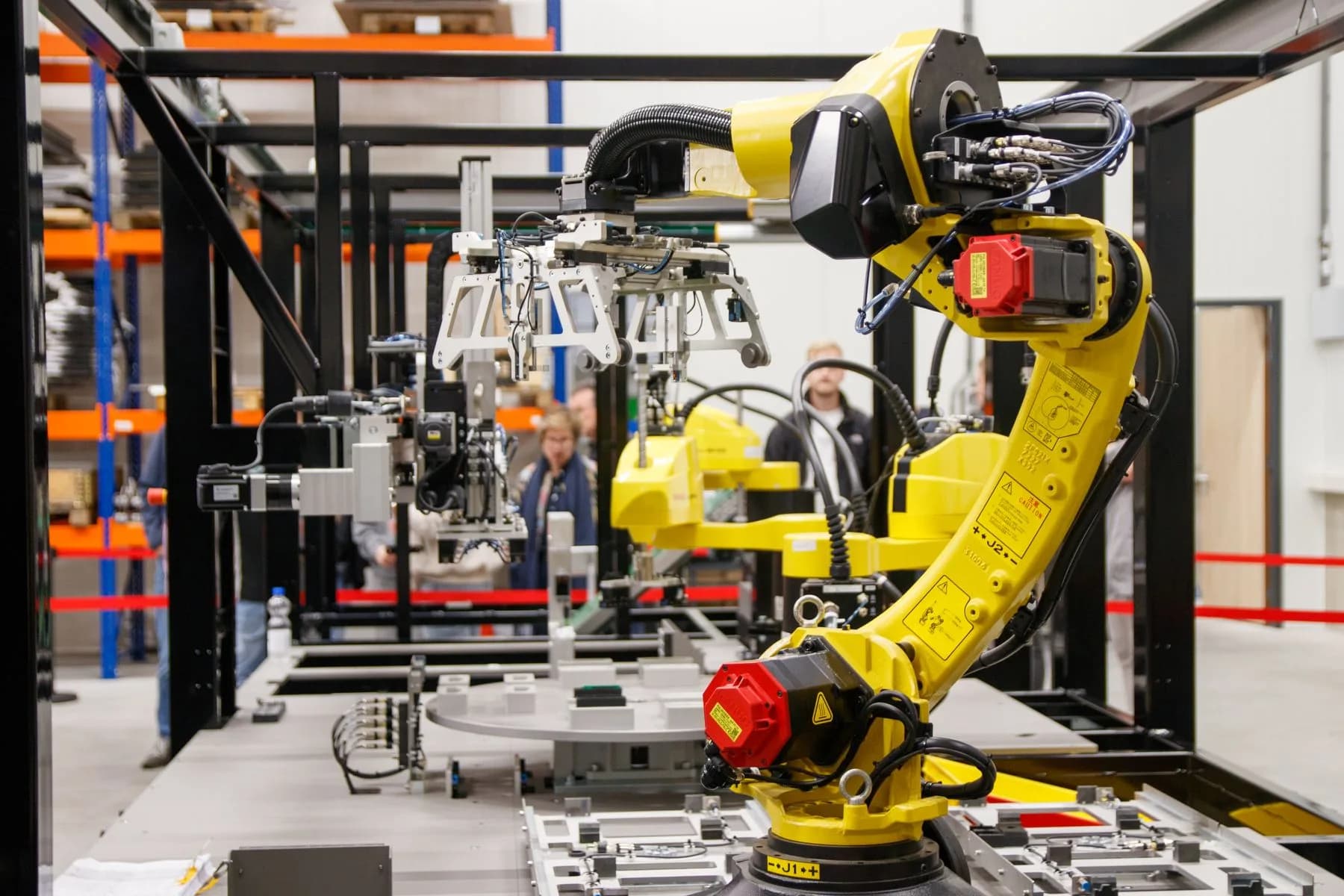
The battery is a machine subsystem. This information is used to define the pack architecture before prototyping.
Use
Machine function, active and standby phases, daily cycles, and available downtime.
Energy
Target runtime, sequence duration, operating frequency, and charging method.
Power
Continuous power, current peaks, start-up loads, and simultaneous actuator operation.
Mechanical
Dimensions, mounting, weight, connectors, cabling, and access for integration or maintenance.
Environment
Temperature, vibration, shock, dust, water, cleaning, and other exposures.
System
Protection, monitoring, data exchange, diagnostics, and CAN Bus where required.
Each application has its own duty cycles and interfaces. The battery is designed around the equipment’s actual function, without imposing a catalogue format.
The battery is defined by duty cycles, actuators, and available space.
The battery is defined by the equipment’s operating sequences and interfaces.
Integration for industrial or asbestos-removal robots based on their mission.
Battery developed as a product component, from prototype to series production.
Cells, mechanics, and electronics are defined together to integrate the pack into the machine and prepare it for series production.
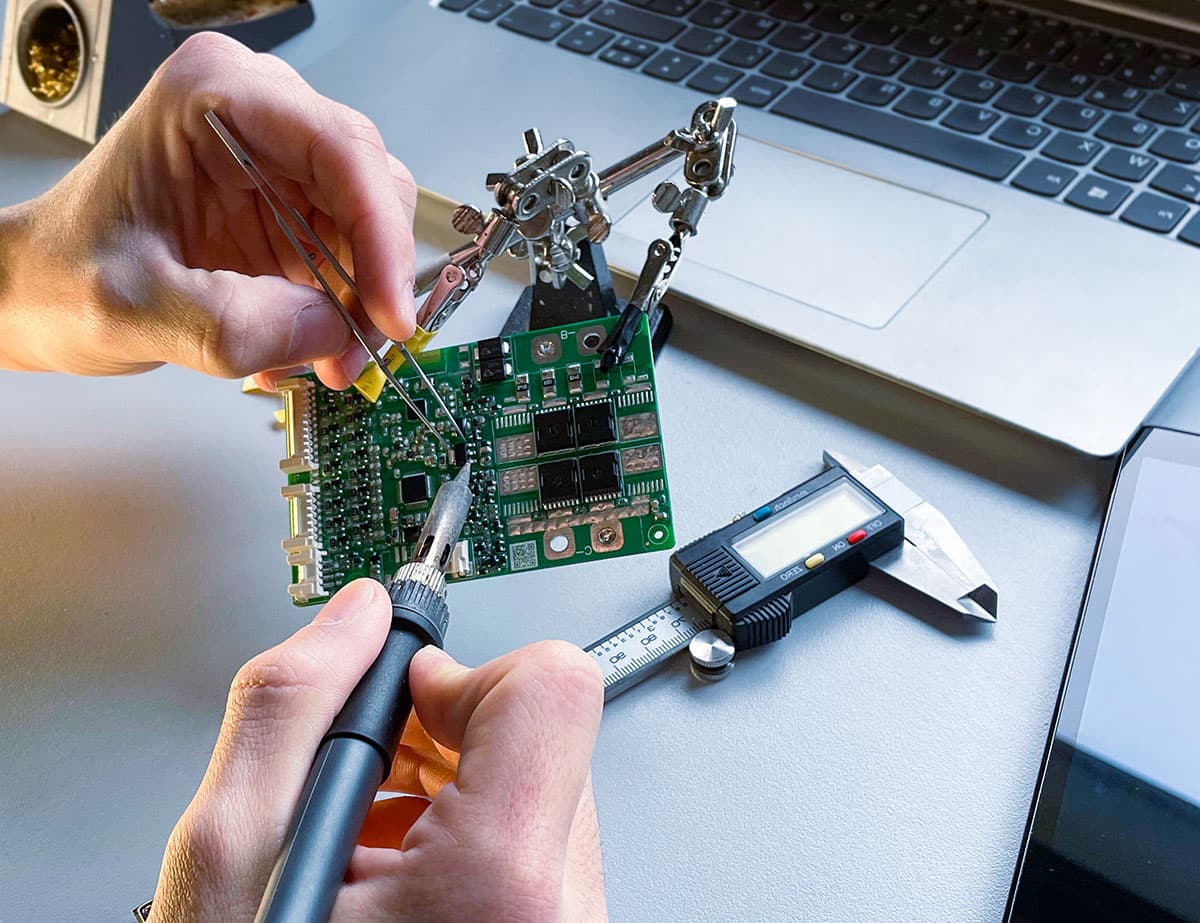
Cells are selected and assembled for the required energy, power, volume, and operating environment.
Layout, retention, dimensions, connectors, and access are defined around the equipment’s physical constraints.
Embedded hardware and software manage the protection, monitoring, and communication specified for the project.
Every interface between the battery and machine must be documented before integration.
Voltage, current, power, protection, connectors, and cabling.
Dimensions, mounting, retention, access, and replacement.
Charging method, required uptime, and maintenance operations.
Status data, diagnostics, protocol, and CAN Bus where required.
Protection levels, tests, and applicable requirements depend on the machine, its use, and target markets. They are identified during the project study; compliance is not assumed.
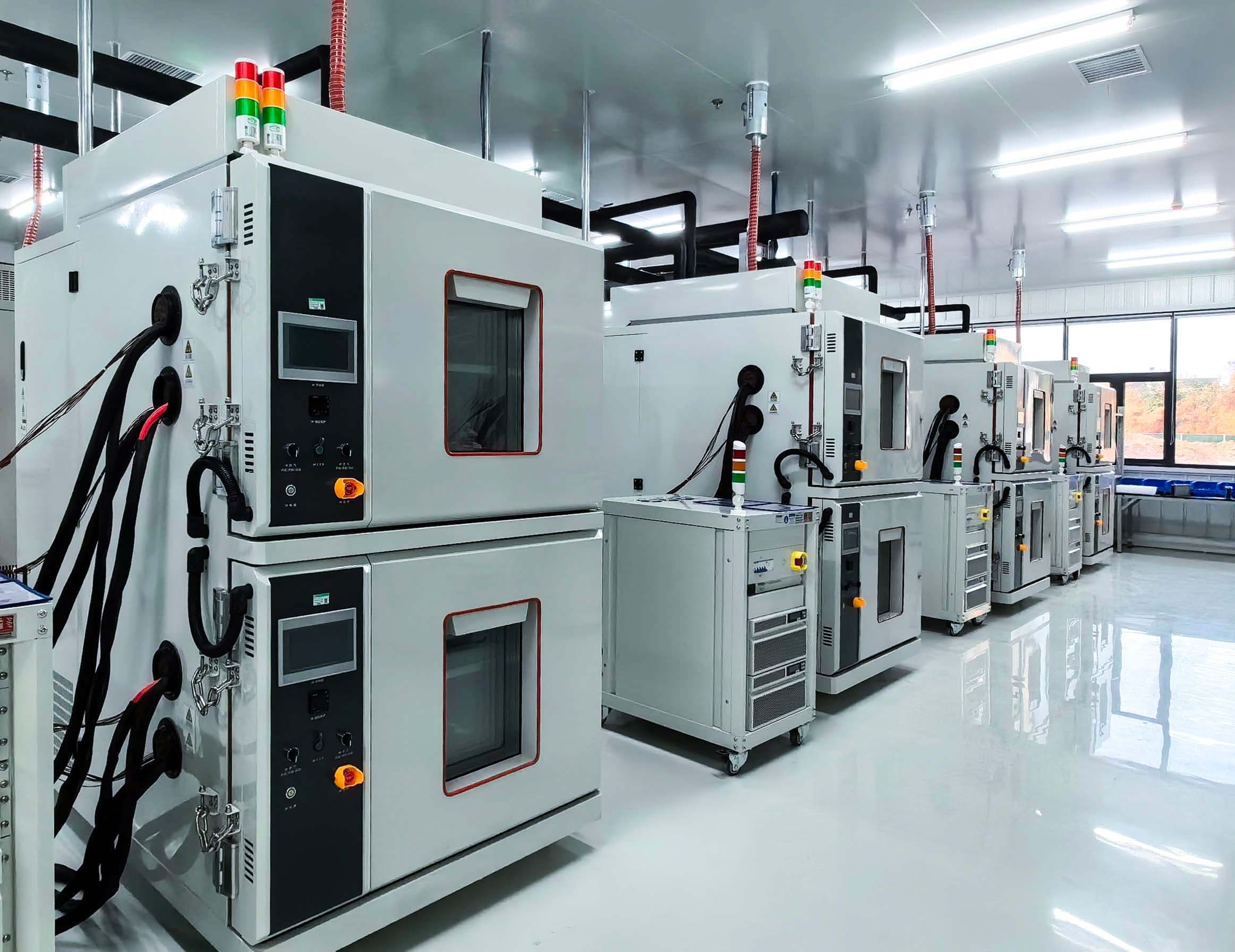
Document operating, charging, and storage temperatures, plus heat dissipation.
Document mechanical loads during operation and transport, plus the mounting method.
Define actual exposure and the target protection level for final integration.
Review abnormal electrical and thermal states, protection, and the machine’s expected response.
Identify applicable requirements, tests, and documents for the equipment and target markets.
Engineering, testing, and manufacturing follow one process to prepare repeatable production in France.
Gather the use case, electrical data, interfaces, environment, forecast volumes, and schedule.
Build a first pack to check mechanics, electronics, and integration.
Run the planned functional and safety tests, then incorporate adjustments.
Finalise the architecture, production methods, controls, and traceability before series manufacturing in France.

Provide the machine type, duty cycles, available electrical data, target runtime, available space, interfaces, environment, charging method, and forecast volumes.
Share the use case, available electrical data, space, interfaces, and expected volume. This information is used to prepare the project study.
Speak directly with the Batteries Prod team