Lithium traceability
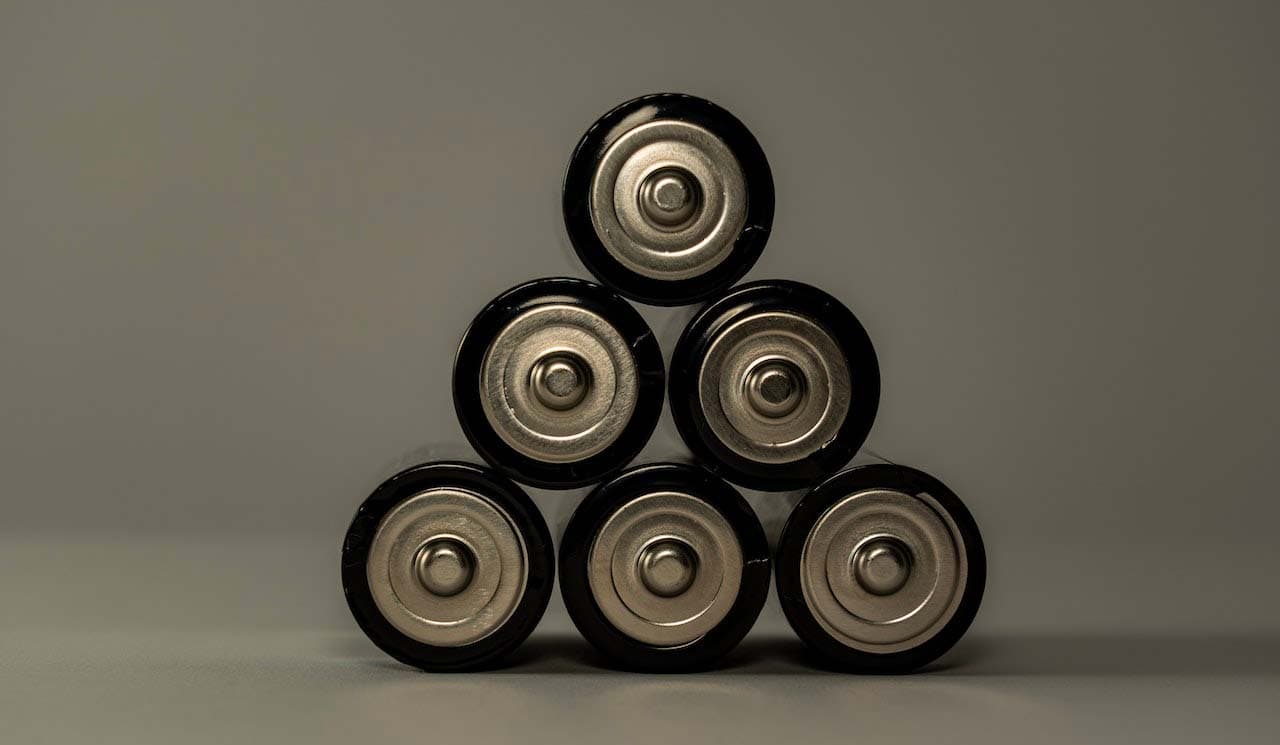
Lithium, often referred to as the “new white gold,” plays a crucial role in the energy transition. Previously, lithium was mainly used in industries like ceramics, glass, and medicine. Today, it is a key component in lithium batteries.
As our need for clean energy continues to grow—driven by demand for electric vehicles and stationary energy storage—the need for lithium is increasing significantly. Demand is expected to surge in the coming years. Alongside this, a new need is emerging: ensuring the origin of lithium. A novel method could soon make it possible to identify the source of the lithium used in batteries.
Lithium reserves
Lithium is extracted in several countries, with Australia being the largest producer, followed by China, Chile, Argentina, and Bolivia—these last three countries forming the “Lithium Triangle.” Lithium resources exist in two main forms: brine and lithium-rich rock. Brine deposits account for more than half of the world’s identified reserves and are primarily located in South America. Lithium rock deposits, on the other hand, are distributed worldwide, with the largest concentrations found in Australia and China.
After lithium extraction, it undergoes refining, processing, and purification to transform the raw material into lithium carbonate or hydroxide with purity levels suitable for battery production. These processing stages are predominantly carried out in China.
A method to determine lithium’s origin
Lithium batteries have a complex supply chain involving multiple intermediaries, making it difficult for end-users to verify the origin of the lithium.
A recent study published in Nature Communications demonstrates the feasibility of identifying the origin of lithium through an innovative method based on lithium isotope analysis (lithium has two stable isotopes). This geochemical process ensures lithium traceability and identifies whether it comes from a salar (brine) deposit or lithium rock. The method involves analyzing the raw material and its processed form.
To precisely determine lithium’s origin, a reference database would need to be created, cataloging the unique isotopic values of different lithium salts. This database would require regular updates as new deposits are identified or extraction methods evolve.
This new approach to lithium traceability could pave the way for lithium certification in batteries.
Automakers like Tesla have already announced their commitment to increasing transparency in their supply chains, particularly concerning lithium batteries, to ensure the sustainability of raw materials.