Recycling electric vehicle batteries
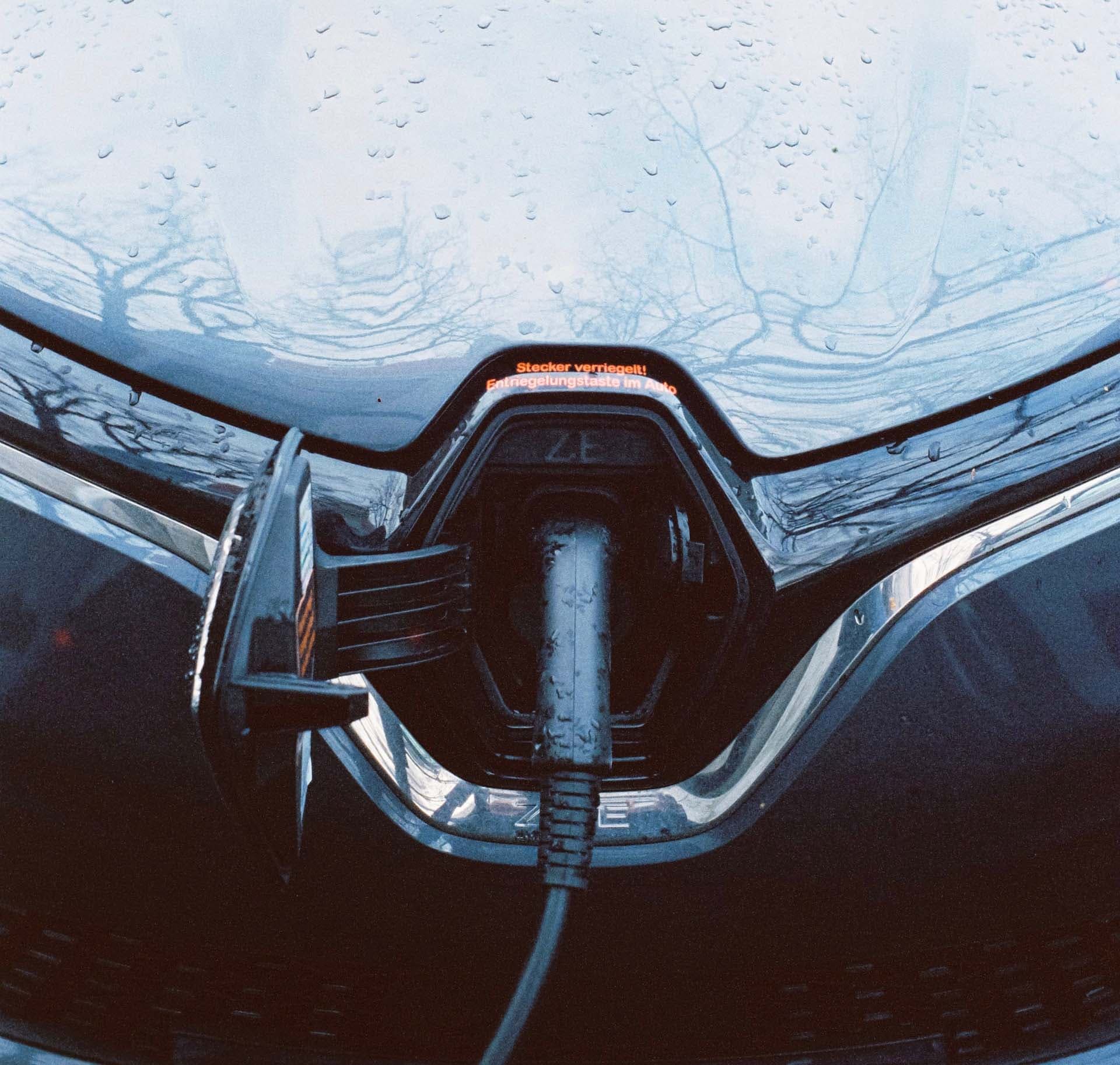
Over the past decade, electric vehicles (EVs) have gained traction, driven by government initiatives promoting eco-friendlier transportation options. A car’s aging battery is the primary reason for its diminished performance. But what happens to the battery when it’s no longer efficient enough to power a vehicle? Contrary to popular belief, EV batteries are widely recycled. How does this recycling process work, and why is it important? Let’s break it down.
Recycling EV batteries: what does the law say?
The battery is the most critical component of an electric vehicle. Depending on the technology and the driver’s habits, it can last up to 10 years. For those wondering what happens to EV batteries after they wear out, European Directive 2006/66/EC and Article R543-130 of France’s Environmental Code mandate that manufacturers recycle defective batteries. This is typically done by partnering with certified recycling companies.
Additionally, recycling companies are required to record all their activities in the national register of batteries and accumulators maintained by France’s Agency for Ecological Transition (ADEME).
How are lithium-ion batteries recycled?
Lithium-ion batteries are the go-to technology for electric vehicle manufacturers. A battery is generally considered ready for replacement when its energy storage capacity falls to 70%, typically after about 10 years.
When a battery is no longer functional, it is disassembled, opened, and tested by professionals to assess its wear level. If a lithium-ion battery is no longer powerful enough to drive an EV, it can still be repurposed for energy storage—for instance, to store renewable energy generated by businesses or individuals. Otherwise, it is dismantled for recycling its components.
When a severely damaged battery reaches a certified recycling company, the process begins by discharging it and removing its plastic and electronic casings. The cells inside the battery core are then shredded into a powder, from which various metals are extracted using either pyrometallurgy (heat) or hydrometallurgy (chemical processing).
These recovered metals are then reused, while residual waste is sent to specialized, certified landfills.
Good to know: The law requires certified recycling companies to recover at least 50% of an EV battery’s total weight.
Why is recycling lithium-ion batteries important?
Recycling lithium-ion batteries for EVs addresses multiple challenges. Manufacturers face shortages of critical materials like cobalt, and recycling helps mitigate this issue.
Extracting the elements that make up lithium-ion batteries is both labor- and resource-intensive. Recycling offers an opportunity to reduce pollution and CO2 emissions associated with mining and material extraction.
This makes recycling an ecological priority, especially at a time when taking action on all fronts is essential.
Recycling for other modes of transportation
Recycling isn’t limited to electric car batteries. Worn-out batteries from electric bicycles can also be sent to professionals for refurbishment, giving them a second life through complete reconditioning.