The advantages of a lithium-ion battery vs lead-acid battery
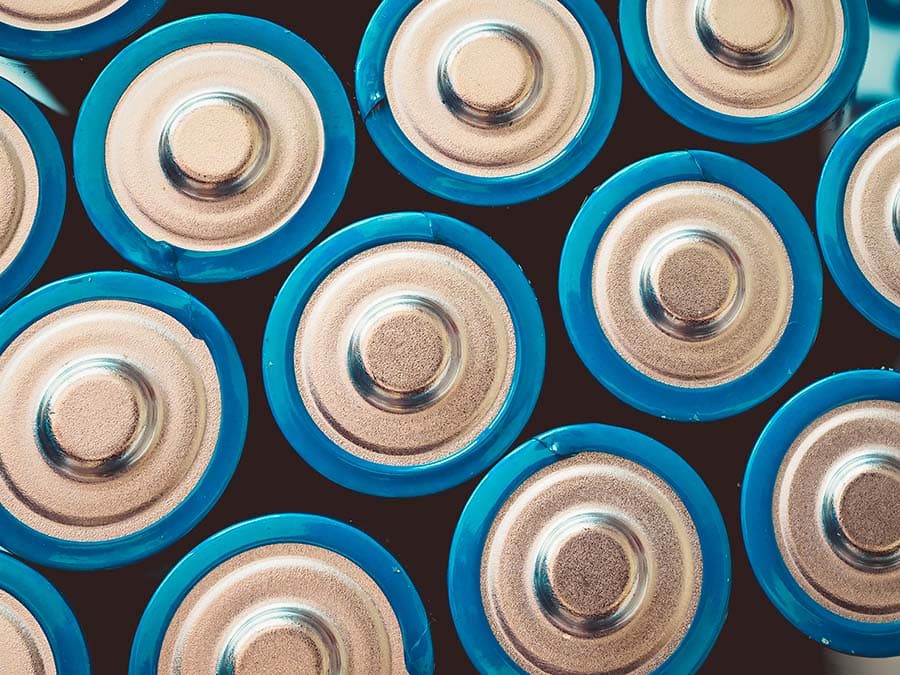
Lithium-ion batteries play a major role in the energy transition. They power electric vehicles, facilitate green mobility, and are used to store renewable energy. Indeed, lithium-ion batteries have gradually found their place in these fields and across many industrial sectors. Currently, lithium-ion batteries power most portable devices and nearly all electric vehicles. Although they have been on the market for more than 30 years, lithium-ion batteries remain one of the most efficient solutions for electrical energy storage. Another type of accumulator, even older and still present on the market but increasingly being replaced by lithium-ion batteries, is the lead-acid battery. They were the first rechargeable accumulator, but they are less effective at storing energy than lithium-ion technology.
A classic accumulator
The lead-acid battery has the advantage of providing a high current, but it has a low energy density.
It consists of a lead plate and a lead dioxide plate immersed in a sulfuric acid solution. Despite being invented in 1859, the lead-acid battery is still a subject of research. Today, there is not just one type of lead-acid battery but several, designed to meet the many specific requirements of various applications. This technology is notably used for vehicle starting and traction.
The weight of a lead-acid battery compared to a lithium-ion battery
A major distinction between lithium-ion batteries and lead-acid batteries is energy density. For the same weight, a lithium-ion battery can store much more energy than a lead-acid battery. Lithium-ion technology, therefore, has a significant energy density for very low weight and volume.
Lithium is a popular material because it is a very lightweight metal; in fact, it is the lightest solid element. A lithium battery is five times lighter than a lead-acid battery.
Slow charging speed
Lead-acid batteries have a long charging time. Toward the end of the cycle, the charging must be done slowly to avoid overheating the internal chemical components. Additionally, they must be charged to 100% to prevent affecting the battery’s lifespan. In contrast, lithium-ion batteries have a very low self-discharge rate, offering excellent longevity. Lithium-ion batteries can be fully discharged without degrading, allowing you to use 100% of their capacity.
Incomplete charging cycles can reduce the lifespan of the battery. This type of battery is not designed to undergo deep discharges. The usable capacity of a lead-acid battery ranges between 30% and 50%. After that, a natural process called sulfation may occur. This is the aging of the battery, where the battery’s components (the anodes and cathodes) oxidize over time, and sulfates accumulate on the lead plates, reducing the battery’s performance. Deep discharges and overheating of the battery can exacerbate this phenomenon.
Short lifespan
Lead-acid batteries have a much shorter lifespan compared to lithium-ion batteries. They can handle between 300 and 500 cycles, while a lithium-ion battery can last up to 1,200 charge and discharge cycles. A cycle refers to a complete charge and discharge of a battery.
A lead-acid battery typically needs to be replaced every two years. They are less expensive than lithium-ion batteries but have a limited lifespan.
The future of electric power
The future of lithium-ion batteries lies in the transportation market, particularly electric vehicles, and also in energy storage for photovoltaic or wind farms.
Given the importance of energy storage, lithium-ion batteries continue to be a subject of research worldwide. As a result, research on next-generation batteries has recently intensified, including lithium-sulfur and lithium-air batteries.