What to know about lithium-ion batteries
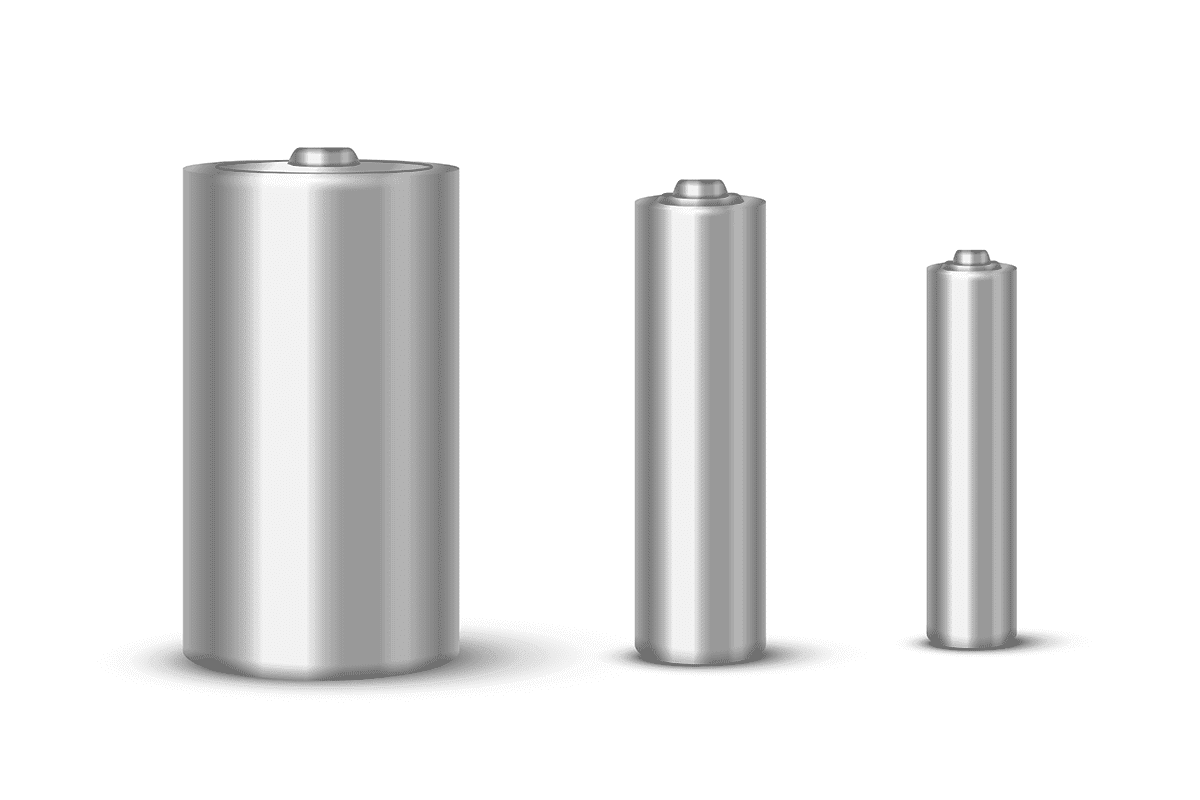
Lithium-ion batteries are an integral part of our daily lives. Present in many industries, from consumer electronics to electric vehicles, lithium-ion batteries have become the technology of choice. They offer numerous advantages, including high energy density. Given the strategic importance of energy storage, lithium-ion batteries continue to be a subject of research worldwide.
How does a lithium-ion battery work?
Lithium-ion batteries convert chemical energy into electrical energy. They store and accumulate electrical energy and then release it when needed.
A lithium-ion battery consists of a series of connected cells.
These cells are made up of four main components: a positive electrode (cathode), a negative electrode (anode) immersed in a conductive liquid (electrolyte), and a separator that keeps the electrodes apart.
Lithium-ion batteries release electricity through a reversible exchange of lithium ions between the anode and cathode. Lithium plays a central role, as its atom can easily give up an electron. This electron becomes an ion, which is why they are called lithium-ion batteries.
When the battery discharges, electrons move from the anode to the cathode via the external circuit. As for the positively charged lithium ions, they leave the anode and move toward the cathode, drawn by the negative charge of the electrons. This exchange creates a current that powers electrical devices.
Lithium-ion batteries are also equipped with a BMS (Battery Management System). This essential component ensures that the battery operates within the desired power and voltage range. It thus ensures the safety of the battery and optimizes its lifespan.
Advantages of lithium-ion batteries
Powerful, light, and compact, lithium-ion batteries dominate the global energy market. Lithium-ion batteries have continuously improved since their first commercialization in 1991 by Sony. Significant progress has been made, particularly in material selection, which has doubled their energy density.
High energy density
In terms of performance, lithium-ion batteries store more energy than other types of batteries. They can store 3 to 4 times more energy per unit of mass than other technologies, significantly impacting their range.
Lightweight
In addition to their high energy density, lithium imparts increased lightness to the batteries. Lithium-ion batteries are three times lighter than lead-acid batteries. This makes them ideal for use in all mobile systems such as drones and power tools that require lightweight, compact batteries.
Low self-discharge rate
Unlike other technologies, lithium-ion is not affected by the memory effect. This means there’s no need to wait for the battery to fully discharge before recharging it. With this technology, the risk of self-discharge has been significantly reduced. In other words, they remain operational even if they are not used for an extended period.
Long lifespan
In addition to their energy density and performance advantages, lithium-ion batteries are distinguished by their long lifespan. They are designed to withstand many charge-discharge cycles.
The BMS also plays a role here, helping to extend the battery’s life by monitoring voltage, temperature, and current. Through intelligent management of charge-discharge cycles, premature wear of the battery is minimized. However, their longevity greatly depends on their manufacturing quality.
Maintaining lithium-ion batteries
Lithium-ion batteries have the advantage of requiring little maintenance. However, some best practices should be followed to optimize their lifespan.
The second life of lithium-ion batteries
Some lithium-ion batteries can be reused. After powering electric vehicles, these batteries can be repurposed for applications like stationary energy storage. Even if they still retain 70% of their capacity, they no longer provide sufficient range. This approach not only extends the useful life of lithium-ion batteries but also offers environmental benefits. By favoring reuse over immediate recycling, it contributes to more efficient resource management, thus reducing the environmental footprint of batteries.