Extending battery life: reconditioning
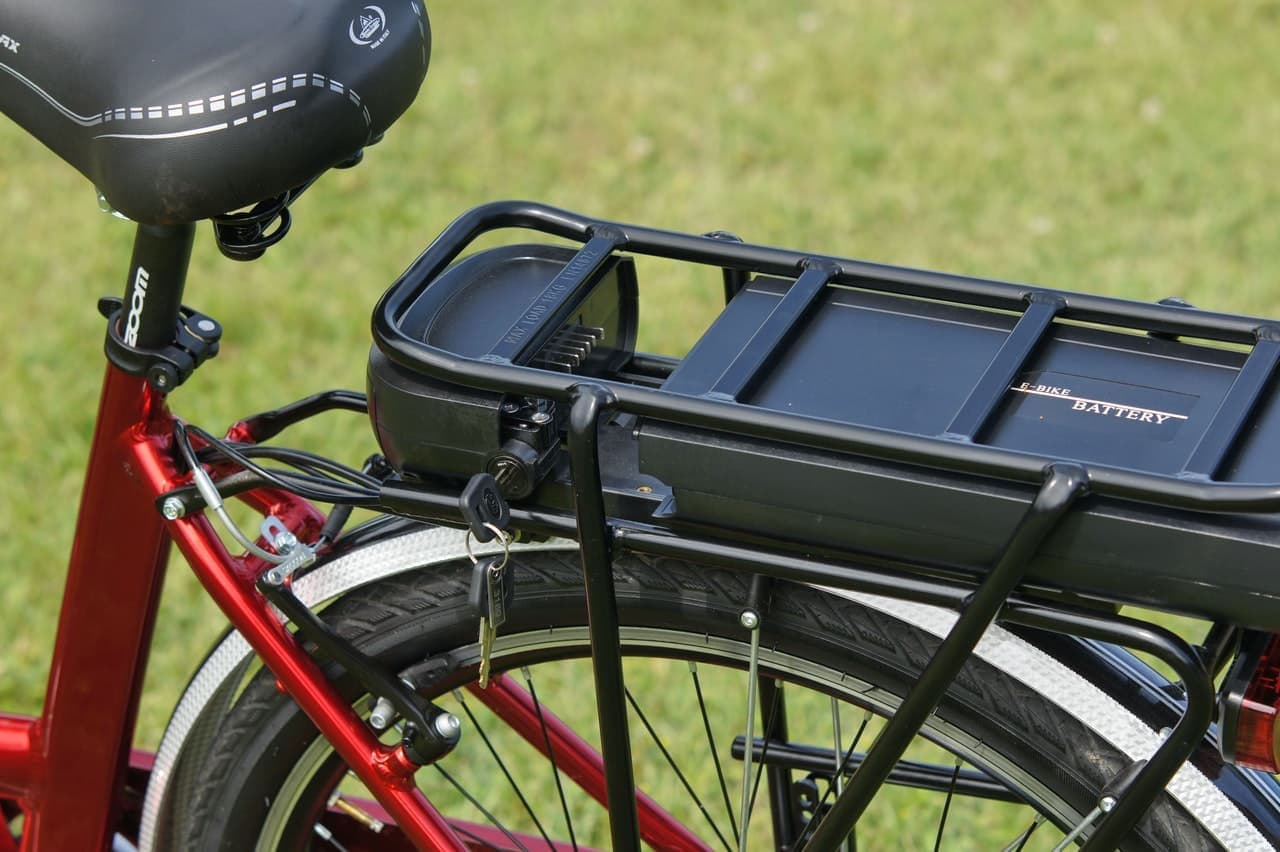
Electric mobility is experiencing a meteoric rise every day. In France, 660,000 electric bikes were sold in 2021, and this number is expected to grow in the coming years. Electric mobility indeed represents an eco-friendly alternative to cars, but the batteries equipping these vehicles have a limited lifespan.
A lithium-ion battery functions effectively for between 3 and 5 years. Beyond a certain number of cycles, a Li-ion battery loses performance and autonomy. Replacing the battery becomes necessary for cyclists to regain sufficient performance.
The lifespan of a battery is expressed in charge and discharge cycles, corresponding to the process of discharging the battery to its minimum and recharging it to 100% of its capacity.
Lithium-ion batteries are currently the most used in the electric mobility market (electric scooters, electric bikes, electric scooters, etc.). Lithium-ion technology is recognized for its excellent qualities and light weight. Previously, lead-acid batteries, offering inferior performance, were used for these forms of soft mobility. They have now been replaced by lithium-ion batteries.
To give these batteries a second life and avoid buying a new one, an eco-friendly alternative exists: reconditioning.
Most electric vehicles are equipped with lithium-ion batteries. These too can have a second life by being reused for less energy-intensive purposes, such as stationary energy storage.
What is a reconditioned battery?
After several years of use, batteries lose autonomy and performance. Their lifespan varies depending on the technology used. For example, a lithium-ion battery will last twice as long as a nickel-based battery.
Battery reconditioning is an eco-friendly alternative to battery replacement. This option is becoming more widespread for electric mobility. The company VeloBatterie, a specialist in reconditioning batteries for electric bikes, offers a refurbishment service for batteries.
Reconditioning involves replacing worn cells with new ones. To maintain compatibility with the cycle, only the casing and connectors are preserved. Regardless of the original technology (lead-acid, nickel-metal hydride, nickel-cadmium, lithium-polymer, lithium-ion, etc.), the cells can be replaced with another technology. VeloBatterie exclusively uses lithium-ion technology for battery reconditioning.
This method gives electric bikes a second life. The battery is often even more efficient than originally, as lithium-ion batteries are among the best technologies on the market.
Why choose reconditioning?
Reconditioning can be the only solution if the battery model is no longer sold by the manufacturer. This method optimizes the battery’s performance by increasing its autonomy, depending on the available space within the casing. This option is highly appreciated by cyclists, allowing them to hit the road with peace of mind, without worrying about autonomy or a potential battery failure.
Through refurbishment, the battery’s environmental impact is minimized. Used cells are recycled and reused to manufacture new components.
A lithium-ion battery does not have a memory effect, so it does not need to be fully discharged before recharging. However, some best practices can help extend the lifespan of a lithium-ion battery.