What are the advantages of a lithium-ion battery?
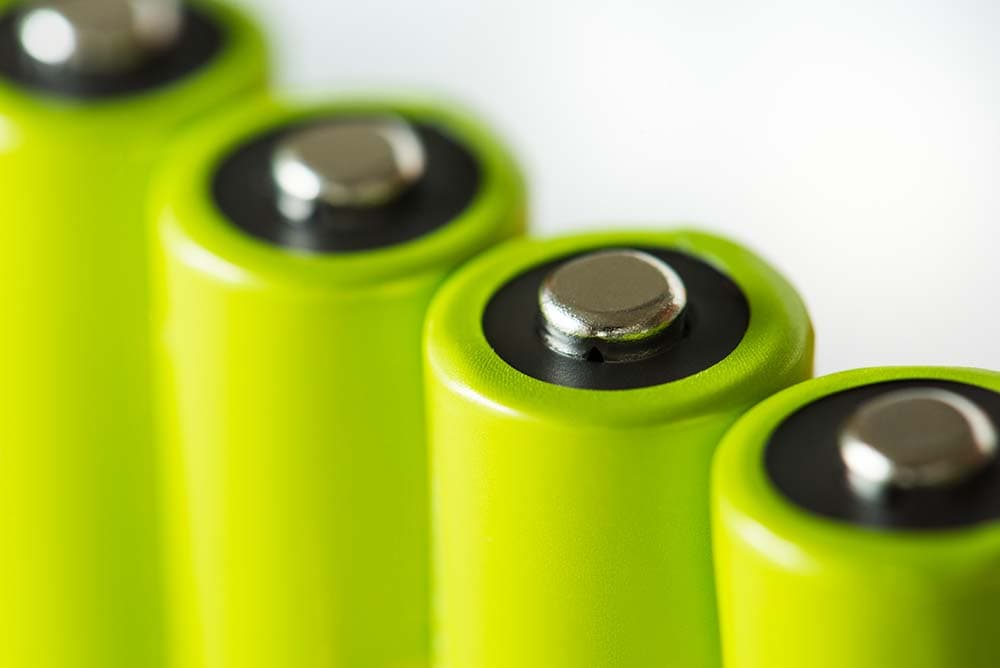
Lithium-ion batteries are one of the most efficient solutions for energy storage. Electric bikes, drones, energy storage, power tools, medical devices, and our everyday portable devices all require lithium batteries for their operation. This technology emerged in the 1990s and continues to dominate various fields. Research on lithium-ion batteries is still ongoing due to the critical need for energy storage.
Discover through this article from Batteries Prod the advantages and performance of lithium-ion batteries, how they work, and the future of this technology, which is one of the most widely used energy systems.
How does a lithium-ion battery work?
Lithium-ion batteries convert chemical energy into electrical energy through the exchange of lithium ions between the cathode (positive electrode) and the anode (negative electrode). The two electrodes of the battery are immersed in an electrolyte, a conductive liquid solution. This movement generates electrical energy. When the battery is in use, it causes the movement of electrons, which flow from the anode to the cathode through an external circuit. The lithium atom easily gives up one of its three electrons, becoming a positively charged ion. Due to this electrochemical potential, lithium is used in batteries.
Advantages of lithium-ion batteries
A lithium-ion battery offers a high energy density, capable of storing 3 to 4 times more energy per unit of mass than other technologies available on the market. This benefit positively influences the battery’s autonomy.
Lithium-ion batteries are not affected by the memory effect. With this technology, there is no need to wait for the battery to discharge completely before recharging it, unlike other technologies such as Nickel-Cadmium and Nickel-Metal Hydride. This type of battery should be used regularly, as inactivity can increase the risk of wear.
Lithium-ion batteries also offer excellent performance in terms of power and autonomy, and they have an essential advantage for wireless technologies: lightness. For comparison, a lead battery is three times heavier. Lithium is the lightest solid metal. This high energy density allows for the production of compact and lightweight batteries, which are crucial for certain applications such as drones and power tools.
Lithium-ion batteries support numerous charge and discharge cycles, between 500 and 1,000 cycles. This term refers to a full discharge followed by a full recharge of the battery. To conclude with the many benefits of lithium-ion batteries, they recharge quickly!
At Batteries Prod, we have selected lithium-ion technology for the manufacture of our custom-made batteries.
The future of lithium-ion batteries
To meet the challenges of the energy transition, next-generation batteries will need to be safer, more efficient, and more environmentally friendly. Research is being conducted on solid-state lithium-ion batteries. Instead of a liquid electrolyte for electron circulation, a solid-state battery features a solid electrolyte. This electrolyte is less sensitive to heat, allowing for an increase in the energy density of the battery while making it safer and more stable. Other lithium-based batteries are in the development phase with changes in design and materials: lithium-sulfur batteries and lithium-air batteries.